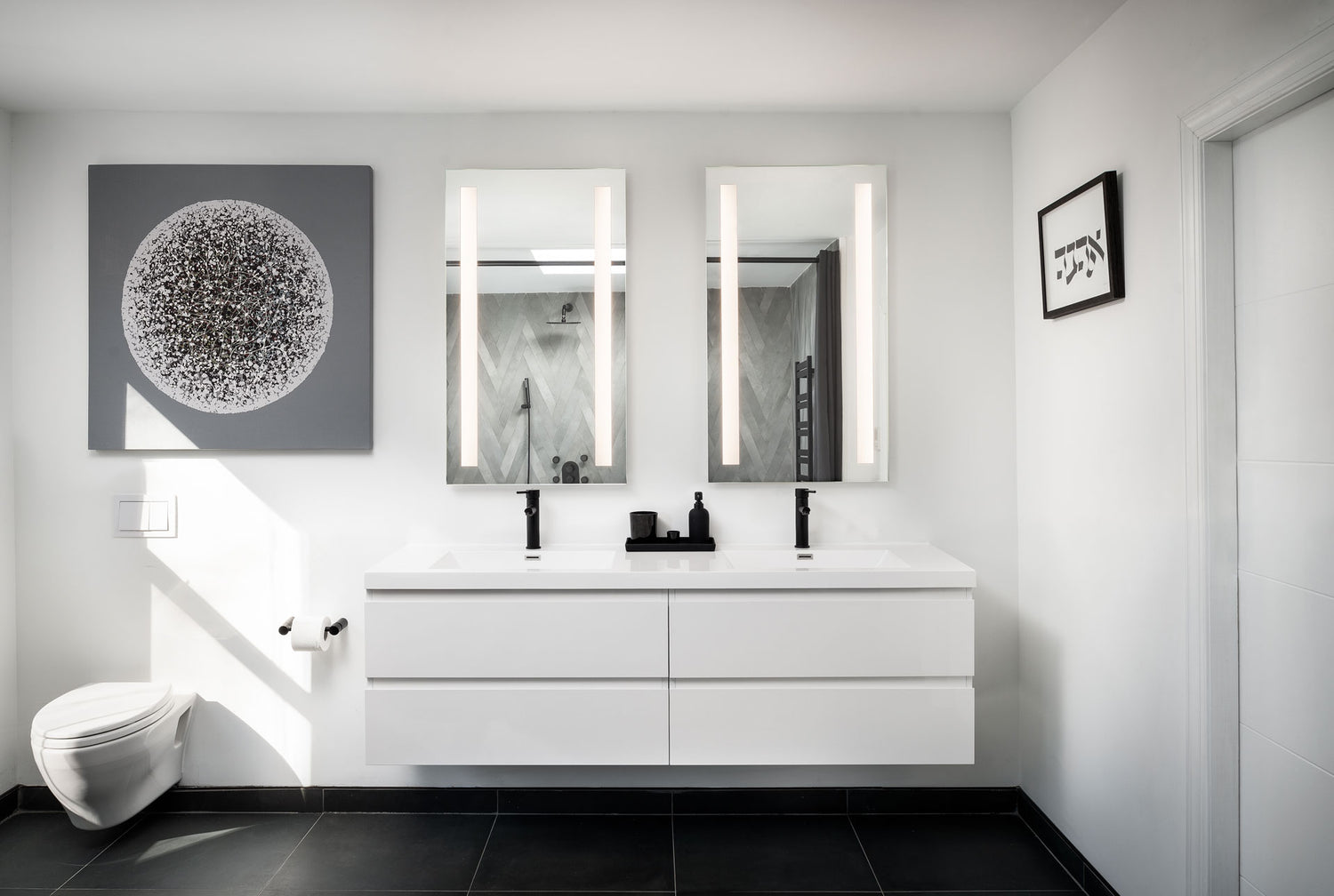

Séura bridges the gap between design and technology.
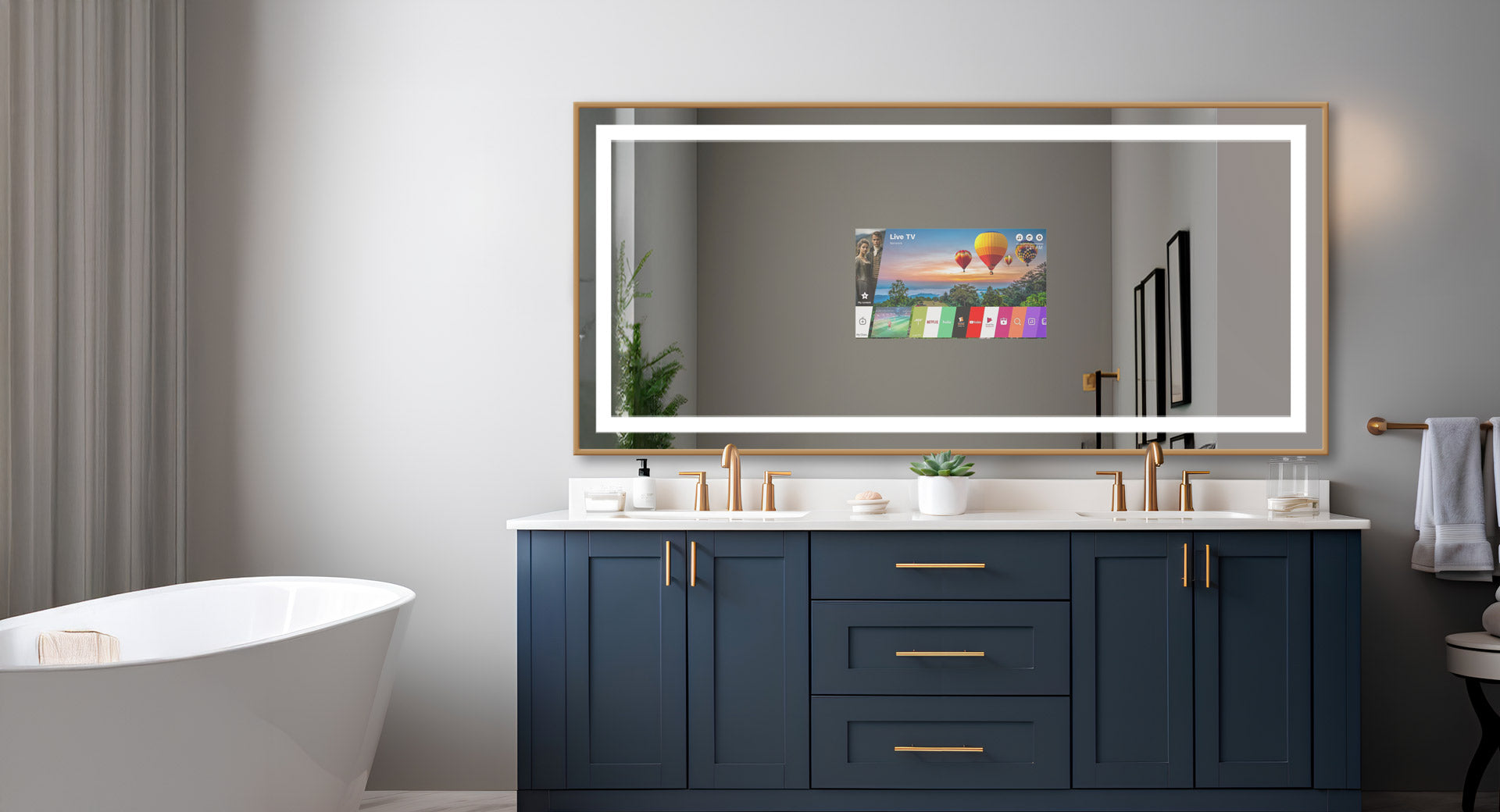
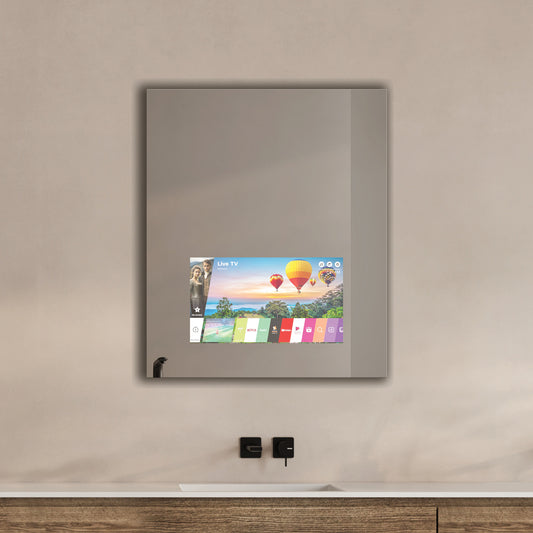
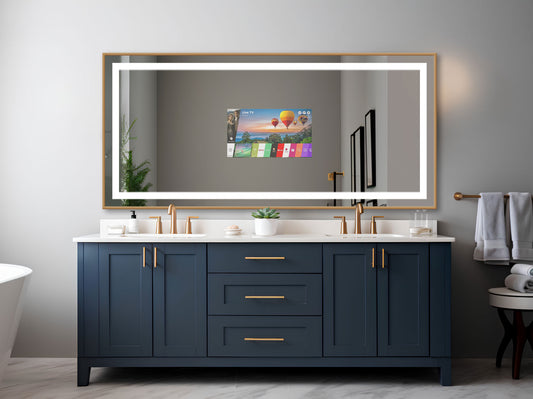
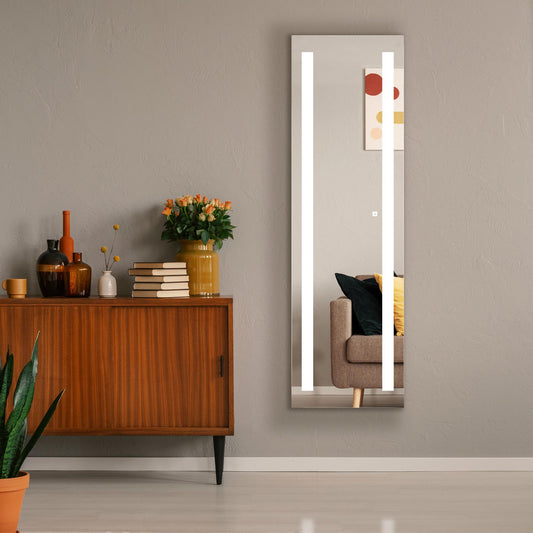
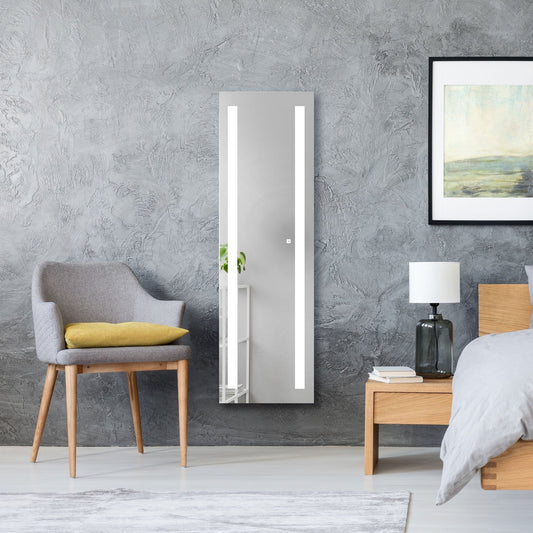
At Séura, we combine stunning design with cutting-edge technology to create unique mirrors and televisions that surpass your expectations.
The reviews are in:
Let customers speak for us
We had the opportunity to work with a customer who wanted an elegant and functional solution: a full mirror wall with a 75” TV seamlessly integrated into the center. Thanks to Séura’s technology, we installed a high-definition, high-resolution display that completely disappears when turned off, leaving behind a flawless mirror surface.
The wall measures 94” wide by 70” high, and the result exceeded all expectations. When the TV is on, it delivers a stunning image with crystal-clear quality, as shown in the photos. When off, it blends perfectly into the mirror, offering a discreet and sophisticated solution.
This is a perfect option for living rooms, dining rooms, or any space where you want a top-quality screen without compromising the aesthetic. Highly recommended for anyone seeking a combination of design, technology, and functionality in one beautiful product.
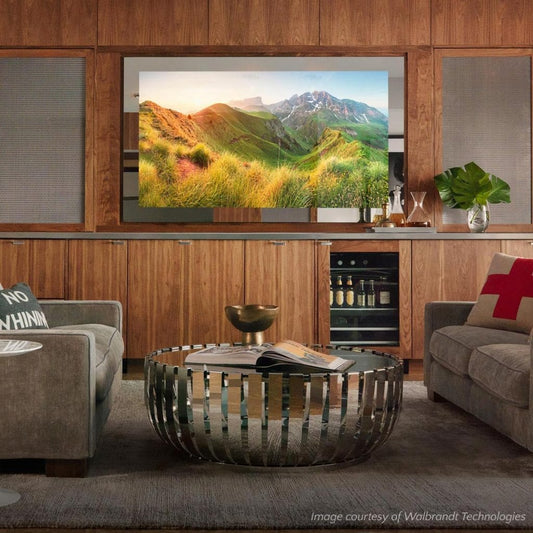
We recently completed the installation of a custom Séura Mirror TV, and the result is stunning. Designed to perfectly fit the space, it delivers the sleek, design-forward look the client was after—while also providing an outstanding TV experience. The mirror finish blends beautifully with the surrounding decor when the screen is off, and comes to life with vibrant picture quality when in use.
Installed in a bar area, this piece adds serious wow factor. It’s not just a television—it’s a statement that elevates the entire room. A perfect example of technology and design working hand in hand.

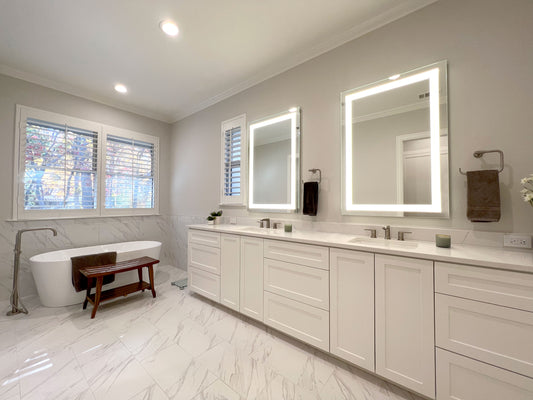
Installing a mirror TV in my bathroom has completely transformed both the look and functionality of the space. The design is incredibly elegant — when the TV is off, it serves as a sleek, high-quality mirror that elevates the entire bathroom aesthetic. When turned on, the screen delivers a crisp, vibrant display, creating a luxurious experience that feels both modern and effortless.
What I love most is how it completely eliminates the need for a separate, bulky TV sitting awkwardly on the vanity countertop. No more clutter, no tangled cords, and no wasted electrical outlets. Everything is seamlessly integrated, keeping the countertop clean and spacious while maintaining a polished, organized look.
This mirror TV is the perfect solution for anyone who wants cutting-edge technology without sacrificing style or space. It’s one of those upgrades that makes you wonder how you ever lived without it!
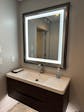
Mirror TVs are honestly one of the best home upgrades we make. They’re sleek, stylish, and incredibly functional. The mirror finish looks beautiful when the TV is off, adding elegance to the room instead of an ugly blank screen. When turned on, the 4K display is crystal-clear, with vivid colors and strong sound. Installation is as close to seamless as possible and I love that there are so many frame options to match any design style. Highly recommend for anyone who values both aesthetics and performance!
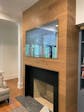
A customer recently reached out regarding the professional installation of a 5' x 7' mirror integrated with a TV for their fitness room. They specified a clear vision: no gimmicks or questionable solutions—everything had to be simple and reliable.
Given our extensive experience with Seura, particularly with outdoor TVs and Mirror TVs, we decided to collaborate with them for this project. Their expertise streamlined the process of determining the appropriate mount type, selecting the ideal TV location within the mirror, and drafting the necessary design schematics.
In addition to Seura's guidance, we incorporated some innovative elements to enhance the customer's experience. We enabled the ability to stream content to the TV and ensured that its audio effectively fills the fitness area. Also, we designed the installation so that servicing does not require removing the substantial 400lb unit from the wall. This ensures functionality: when the mirror is in use, it serves as a mirror, and when the TV is activated, it seamlessly appears in the upper left corner of the mirror.
Ultimately, the result has exceeded the customer's expectations, and they are extremely pleased with the installed solution and its added features.

This mirror is beautiful and customer loves it!
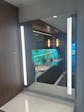
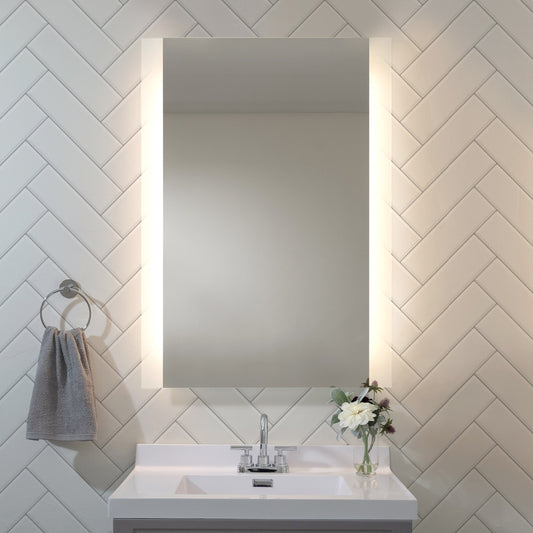
This is the vanity mirror we installed in our new showroom. We're a Seura dealer, by the way. This display has been seen by many of our clients, and it has brought up a lot of interest (and sales). Many times, we don't even mention it until they actually go to our bathroom. They come out, asking "What is that!" :) People are quite impressed how good it looks and have found it as a nice compliment in their home.
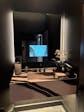
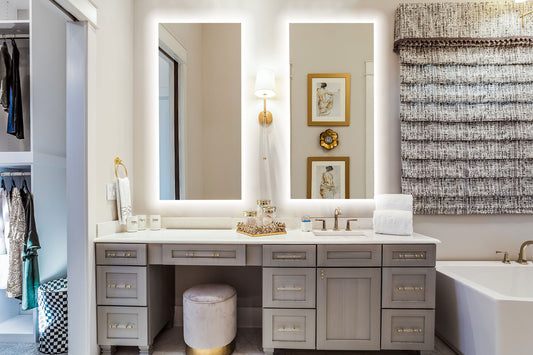
The project was all fully custom so when we thought of beauty and customization- Seura was it! The mirror we did was fully custom. The mirror has custom brass bezel and custom sconce holes to make the sconces appear like they are floating. This mirror truly finished off the spa space. It was easy to work with Seura on the design and production. Highly recommend!

I ordered a few mirrors for our showroom and they look spectacular. The quality and light control from these mirrors are second to none. We wont be using anything but Seura on all our projects.

Our client loves their Seura Vanity TV Mirror in her closet space! She is able get ready for her day using her mirror or catching the news before walking out the door. When the TV is off, the mirror is crystal clear - you have no idea there is a TV there!

Absolutely zero trace of the TV. We couldn't believe how well the TV actually disappears in the mirror. Our project went great and we're very happy with our Seura mirror TV!


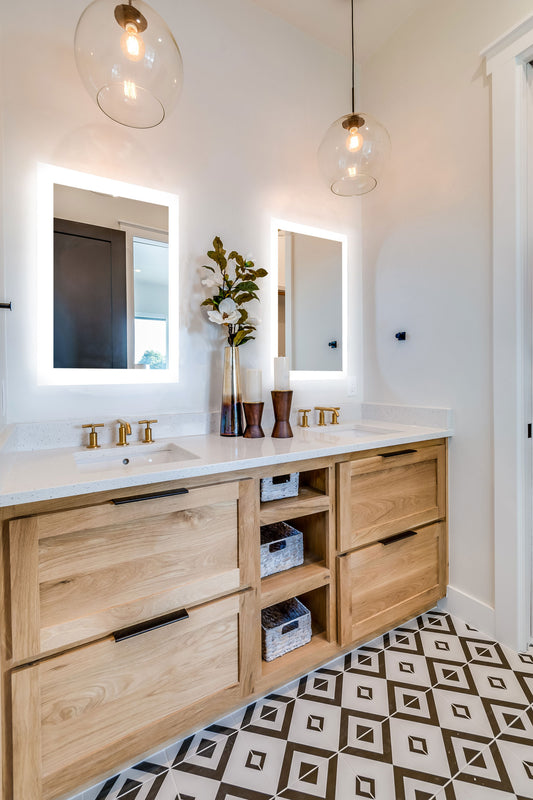
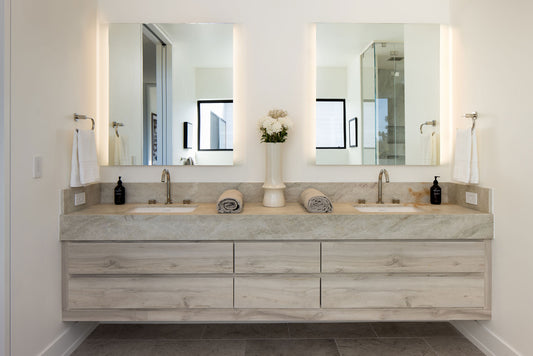
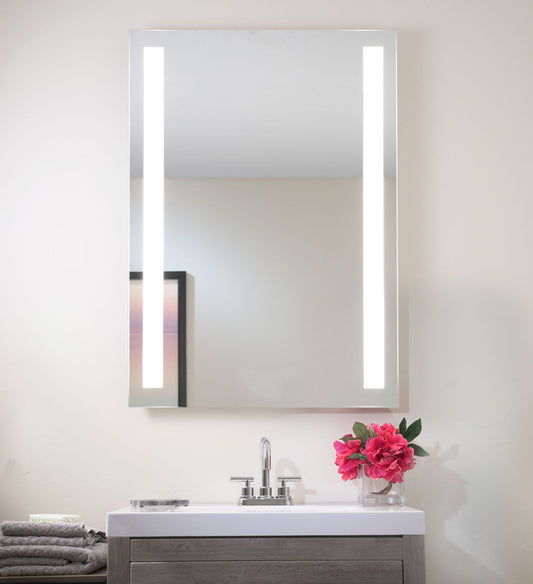
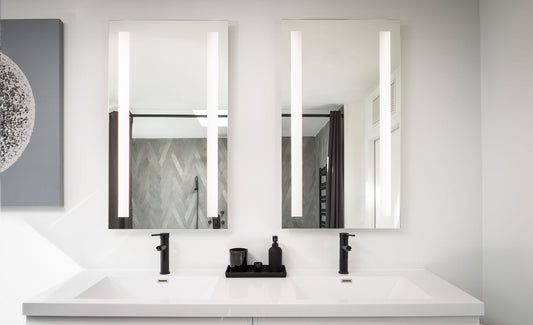
The mirror is very elegant and nice lighting. I just remodeled two of our bathrooms. We will be remodeling our master bath soon and will definitely use this company for a large one with a tv in it. Very high quality.
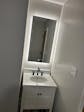
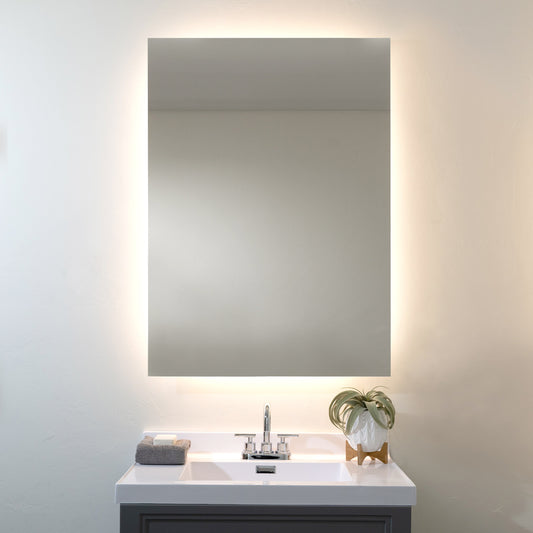
We love the mirror and it was fairly easy to install once you had it all measured out. The one thing I don't understand is why the power connections are at the bottom of the mirror, since people would/could be replacing an existing light fixture over the sink and it would make sense for the connections to be up the top.
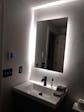
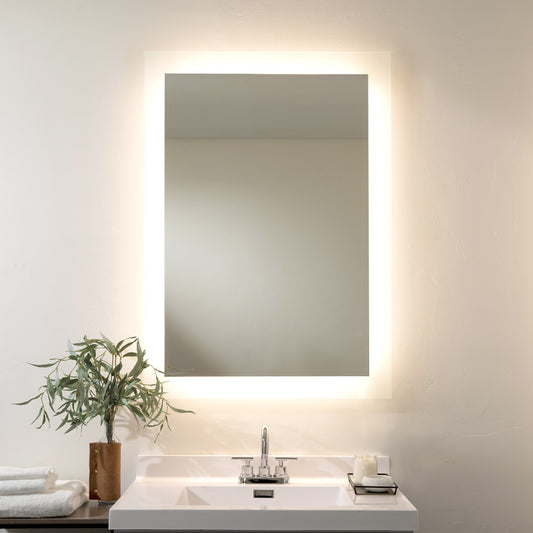
This mirror that we put in our bathroom makes the space feel SO FANCY!!! I have an older style bathroom and this mirror alone elevates the look so much!! So incredibly happy with It!!!






-

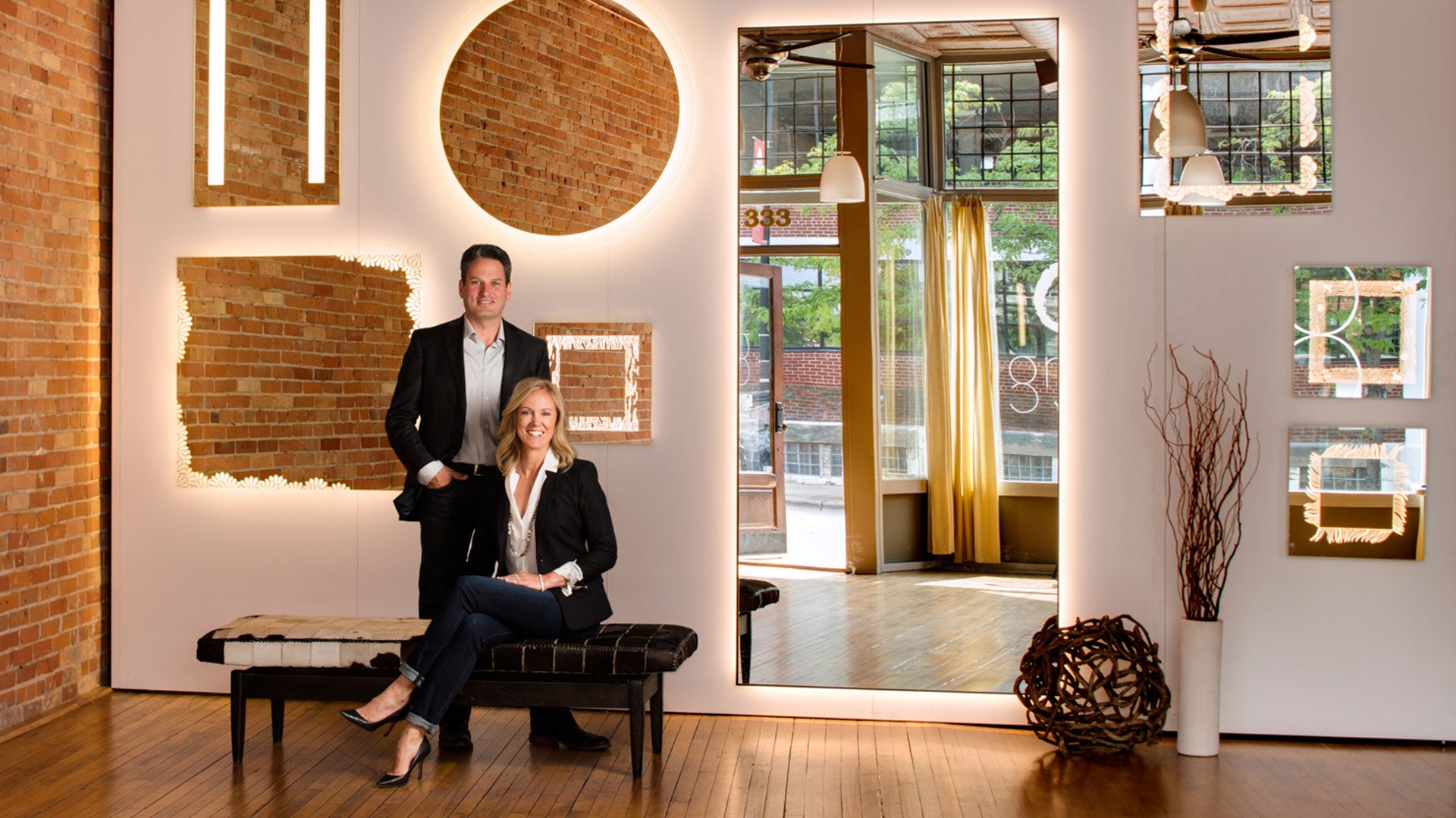
Woman-led and Family Owned
-

Assembled in Wisconsin
-

Trusted by Pros and Top Brands
-

Award-Winning Products
